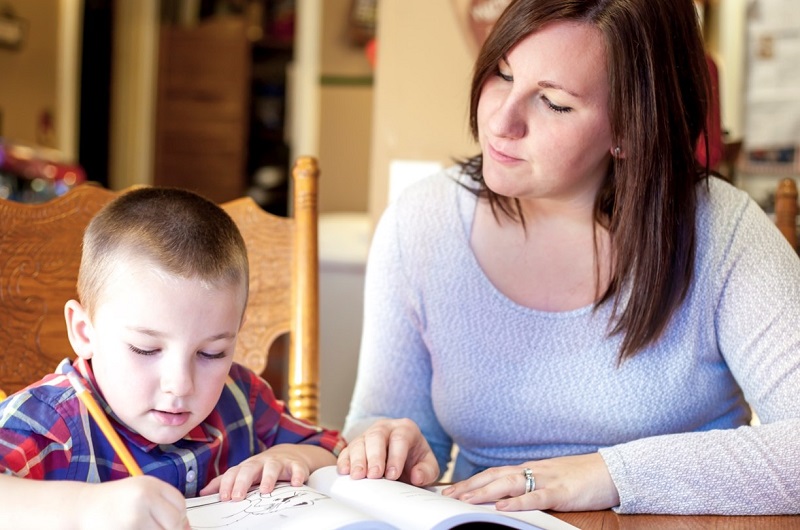
Starting homeschooling can feel overwhelming at first, especially if you’re switching from traditional school or thinking about teaching your child at home for the very first time. Many parents worry about whether they’re capable, how to choose the right curriculum, or how to balance teaching with daily life. The truth is, homeschooling doesn’t have to be complicated. With the right steps, a bit of planning, and the willingness to learn alongside your child, you can build a successful and enjoyable home education routine. This simple beginner’s guide will walk you through everything you need to know so you can begin homeschooling with confidence and clarity.
Understand Your Local Homeschooling Laws
Before buying books or organizing lessons, it’s important to understand the homeschooling regulations in your specific region or country. Every location has its own set of rules. Some places require parents to register with an education department, while others have very minimal requirements. A few may ask for yearly assessments or progress reports. Researching these guidelines early ensures you stay compliant and prevents issues later. Start by checking your local education authority’s website or contacting a homeschooling association for accurate information. Once you know the rules, you can plan your homeschool structure without confusion or stress.
Identify Your Child’s Learning Style and Needs
One of the biggest advantages of homeschooling is the ability to tailor learning to your child’s unique needs. Some children learn best through visuals, while others prefer hands-on activities, reading, or listening. Spend some time observing your child’s strengths, interests, and challenges. Do they focus better in the morning or afternoon? What subjects excite them? Understanding their learning style helps you choose the right curriculum, schedule, and teaching method. When lessons match your child’s natural learning patterns, homeschooling becomes more effective, enjoyable, and stress-free for both of you.
Choose the Right Homeschool Curriculum
With hundreds of homeschool curriculums available, picking the right one can feel intimidating. Begin by considering your child’s learning style, your preferred teaching method, and the amount of time you can dedicate to homeschooling each day. Many families use a mix of structured textbooks, online learning platforms, printable worksheets, and hands-on activities. You don’t need to choose a curriculum that looks perfect on paper. Instead, find one that fits your lifestyle and helps your child stay engaged. Many companies offer free samples or trial periods, allowing you to test the materials before committing. Remember, curriculum is a tool—not a rule—so feel free to adjust or switch if something isn’t working.
Create a Homeschool Schedule That Works for Your Family
A realistic schedule keeps your homeschool day smooth, organized, and productive. Unlike traditional schools, you don’t need to follow a strict 8-to-3 routine. Instead, design a timetable that fits your family’s rhythm. Some families prefer structured mornings and flexible afternoons, while others spread lessons throughout the day. A good schedule includes time for academics, breaks, outdoor play, reading, and creative activities. Keep it simple and adaptable, especially in the beginning. As you observe what works best, you can adjust the routine. Consistency is important, but flexibility is equally valuable in homeschooling.
Set Up a Comfortable Learning Space
A dedicated learning area doesn’t have to be a full classroom. A small table, a bookshelf, and a quiet corner can be enough. The goal is to create a space where your child feels comfortable, focused, and inspired to learn. Keep supplies like pencils, notebooks, art materials, and books organized and easy to access. A clutter-free environment helps reduce distractions and makes the daily homeschool routine smoother. You can also use different areas of your home for different activities—reading on the couch, science experiments in the kitchen, or nature studies outside.
Establish Simple Teaching Routines
Homeschooling becomes much easier when you have a few basic routines in place. Start each day with a short morning ritual, such as reading, discussing goals, or reviewing yesterday’s lessons. Use a checklist to track daily tasks and help your child stay motivated. Break lessons into manageable chunks, especially for younger children. Include hands-on activities, outdoor learning, and creative projects to keep things interesting. Routines help your child know what to expect each day, reduce stress, and improve overall productivity.
Connect With Homeschooling Communities
You don’t have to homeschool alone. Many parents join local or online homeschooling groups to share ideas, ask questions, and find support. These communities often organize field trips, group classes, sports days, and meetups. Connecting with other families helps your child form friendships and gives you access to valuable resources and advice. Whether it’s a Facebook group, a local co-op, or an online forum, joining a community can make your homeschooling journey far more enjoyable and manageable.
Track Progress and Adjust When Needed
Monitoring your child’s progress is essential, not only for meeting educational goals but also for ensuring that learning remains meaningful and enjoyable. Keep simple records of completed lessons, test scores, reading lists, or projects. This documentation helps you see what’s working, where your child needs extra support, and how far they’ve come. Don’t be afraid to make changes when something doesn’t fit. Homeschooling is flexible, and adjusting your approach is a natural part of the process.
FAQs
1. Is homeschooling difficult for beginners?
Not necessarily. The first few weeks may feel challenging as you adjust, but once routines and expectations are set, homeschooling becomes much easier. Many parents find it rewarding and enjoyable.
2. Do I need to be a certified teacher to homeschool?
In most places, no. Parents can homeschool without formal teaching qualifications. Your local regulations will clarify any requirements.
3. How many hours a day should I homeschool?
Most families spend two to four hours on structured academics, depending on the child’s age. Homeschooling is often more efficient than traditional schooling because lessons are personalized.
4. What if my child resists homeschooling?
It’s normal for kids to take time to adjust. Start with short lessons, include activities they enjoy, and allow them to participate in planning the routine.
5. Can homeschooled children socialize?
Absolutely. Socialization happens through community events, sports, clubs, meetups, and homeschooling groups.
Conclusion
Homeschooling is a flexible, customizable, and deeply rewarding way to support your child’s education. With the right planning, a realistic schedule, and a willingness to adapt, any parent can create a successful homeschool environment. Start simple, stay patient, and enjoy the journey of learning together at home.

