
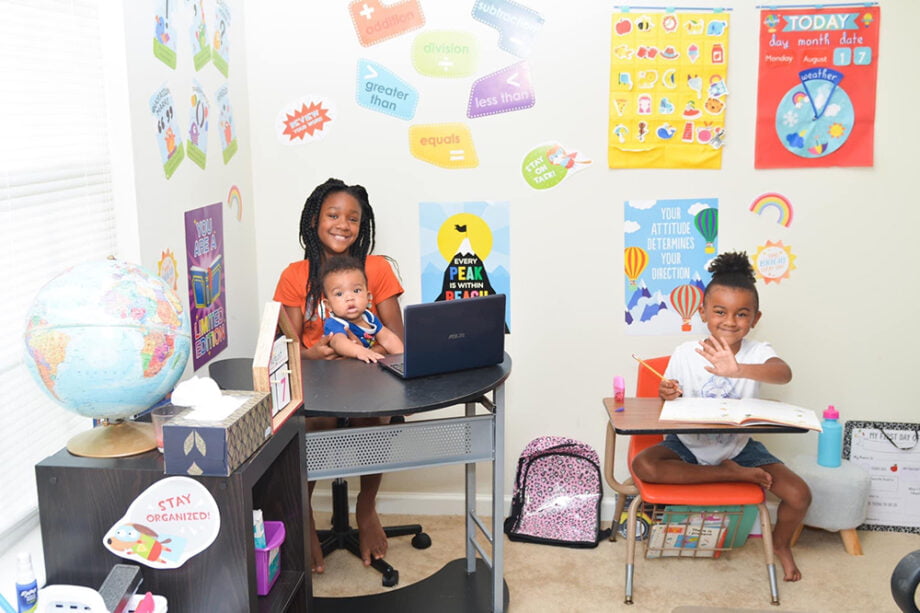
Homeschooling can be an incredibly rewarding experience, but keeping kids motivated day after day can sometimes feel challenging. Without the structure of a traditional classroom, children may lose focus, feel bored, or resist learning. Motivation is not just about pushing children to complete assignments; it’s about fostering curiosity, independence, and a love of learning. In this guide, we’ll explore practical strategies to keep your children engaged, enthusiastic, and excited about homeschooling, no matter their age or learning style.
Create a Positive Learning Environment
A supportive and inspiring environment is crucial for motivation. Children are more likely to stay engaged when they feel safe, comfortable, and encouraged. Here are some tips:
-
Designate a quiet, organized learning space free from distractions.
-
Add personal touches like artwork, inspirational quotes, or favorite books.
-
Use proper lighting and comfortable seating to make the space inviting.
When children associate their learning space with comfort and creativity, motivation naturally increases.
Set Clear Goals and Expectations
Kids need clear goals to stay motivated. Break larger tasks into smaller, achievable objectives. For example:
-
Instead of saying, “Finish math,” specify: “Complete the first five problems in Chapter 3.”
-
Create weekly goals like finishing a science project or reading a chapter of a book.
-
Celebrate milestones with praise or small rewards.
Clear goals give children a sense of accomplishment and help them track progress, which reinforces motivation.
Incorporate Their Interests
Children learn best when lessons connect to their passions and interests. For example:
-
If your child loves animals, include science projects on habitats or biology.
-
Artistic children may enjoy illustrating history events or writing creative stories.
-
Kids interested in technology can learn coding, online research, or digital projects.
Integrating interests makes learning meaningful and enjoyable, transforming lessons from chores into exciting opportunities.
Use Varied Teaching Methods
Monotony can quickly lead to disengagement. Mix different teaching methods to keep things fresh:
-
Combine hands-on experiments, worksheets, and reading activities.
-
Use videos, audiobooks, and online platforms to reinforce concepts.
-
Include group activities, role-playing, or games for interactive learning.
Variety appeals to different learning styles and keeps children curious and engaged throughout the day.
Incorporate Movement and Breaks
Physical activity is essential for maintaining energy and focus. Sitting for long periods can lead to restlessness and decreased motivation. Try:
-
Short movement breaks every 30–45 minutes.
-
Incorporating lessons that include walking, building, or acting out concepts.
-
Outdoor activities like nature walks, sports, or scavenger hunts.
Movement breaks not only refresh the mind but also support physical health and overall learning readiness.
Encourage Autonomy and Choice
Giving children some control over their learning fosters independence and motivation. Simple ways to encourage autonomy include:
-
Allowing them to choose the order of subjects or projects.
-
Letting them pick reading material, art topics, or science experiments.
-
Involving them in planning the daily or weekly schedule.
When children feel ownership over their learning, they are more invested and motivated to complete tasks.
Use Positive Reinforcement
Positive reinforcement builds confidence and encourages consistent effort. Techniques include:
-
Praise for effort, not just results (“I’m proud of how hard you tried”).
-
Stickers, charts, or small rewards for completing tasks.
-
Celebrating achievements with family recognition or special activities.
Positive reinforcement strengthens intrinsic motivation and creates a supportive learning atmosphere.
Make Learning Social
Even homeschooled children need social interaction. Connecting with others can motivate learning:
-
Join homeschool co-ops or local clubs.
-
Arrange group projects, field trips, or learning meetups.
-
Encourage virtual interactions for collaboration or discussion.
Social learning experiences make education enjoyable, build confidence, and provide healthy motivation.
Set a Routine with Flexibility
Routines give structure, while flexibility ensures learning doesn’t feel rigid or stressful:
-
Follow a daily schedule for core subjects, hands-on activities, and breaks.
-
Allow flexibility to explore spontaneous interests or adapt to energy levels.
-
Include time for creative projects and free play to balance academics.
A predictable routine combined with flexibility supports focus, engagement, and long-term motivation.
Monitor and Adapt Strategies
Children’s motivation can fluctuate, so it’s important to monitor and adapt:
-
Observe which methods engage your child the most.
-
Adjust lesson lengths, activities, or learning styles as needed.
-
Encourage open discussion about what they enjoy or find challenging.
Regularly reviewing strategies ensures your homeschool approach remains effective and motivating.
FAQs
1. How can I motivate a child who resists homeschooling?
Start with short lessons, integrate their interests, and provide choice and positive reinforcement. Gradually build structure and involvement.
2. Are rewards necessary for motivation?
Not always. Intrinsic motivation (curiosity, ownership, and accomplishment) is more sustainable, but small rewards or praise can support engagement, especially early on.
3. How long should lessons be to maintain motivation?
Younger children often focus for 20–30 minutes, while older children can handle 45–60 minutes. Include breaks and hands-on activities to refresh focus.
4. How can I motivate multiple children at once?
Use group activities, cooperative projects, or independent tasks for varying levels. Allow each child some choice in their learning tasks.
5. What if my child loses motivation suddenly?
Take a step back, offer breaks, incorporate favorite activities, or discuss challenges. Motivation can fluctuate, and flexibility is key.
Conclusion
Motivating children during homeschooling requires a combination of structure, creativity, and empathy. By creating an inspiring environment, setting achievable goals, incorporating interests, and offering autonomy, parents can help children develop a love for learning. Flexibility, variety, and social connections further strengthen motivation, making homeschooling a rewarding experience for both parent and child. Remember, small adjustments, patience, and consistent encouragement go a long way in keeping kids engaged and excited to learn every day.

