
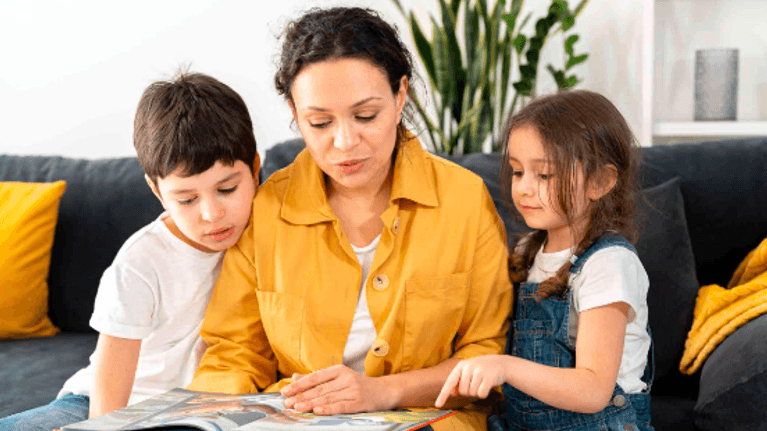
Effective communication between parents and young learners is essential for healthy development, emotional well-being, and academic success. Young children are learning to express their thoughts, emotions, and needs, and the way parents interact with them can shape their confidence, social skills, and love for learning. Positive communication fosters trust, strengthens parent-child relationships, and encourages curiosity and critical thinking.
Why Communication Matters for Young Learners
Good communication builds a foundation for learning and growth:
-
Emotional Development: Helps children recognize and express feelings effectively.
-
Social Skills: Teaches active listening, empathy, and respectful interaction.
-
Cognitive Growth: Encourages curiosity, problem-solving, and language development.
-
Confidence and Independence: Children gain self-assurance when their thoughts are valued.
Establishing healthy communication habits early supports children’s long-term personal, academic, and social success.
1. Practice Active Listening
Listening is as important as speaking:
-
Give Full Attention: Make eye contact and remove distractions during conversations.
-
Acknowledge Feelings: Show empathy by validating emotions: “I see that made you upset.”
-
Encourage Sharing: Let your child finish speaking before responding.
-
Ask Open-Ended Questions: Questions like “How did that make you feel?” invite discussion.
Outcome: Children feel heard and are more likely to share openly.
2. Use Simple and Clear Language
Young learners need language they can understand:
-
Short Sentences: Break down instructions into manageable steps.
-
Concrete Words: Use examples and avoid abstract terms that may confuse.
-
Repeat Key Points: Reinforce important ideas gently.
-
Visual Aids: Gestures, pictures, and props help children grasp concepts.
Outcome: Clear communication reduces frustration and improves understanding.
3. Encourage Two-Way Conversations
Communication should be interactive, not one-sided:
-
Invite Opinions: Ask for their thoughts or suggestions.
-
Share Your Experiences: Relate stories that illustrate lessons or morals.
-
Problem-Solve Together: Discuss solutions collaboratively for conflicts or challenges.
Outcome: Children develop critical thinking and feel valued in conversations.
4. Be Mindful of Tone and Body Language
Non-verbal cues often speak louder than words:
-
Positive Tone: Use a calm, encouraging voice.
-
Facial Expressions: Smile and maintain open expressions.
-
Body Posture: Kneel or sit at eye level to create connection.
-
Avoid Negative Signals: Harsh tones, crossing arms, or frowning may discourage communication.
Outcome: Children respond better to supportive and friendly communication.
5. Reinforce Positive Communication
Praise and encouragement strengthen communication skills:
-
Acknowledge Efforts: Compliment children for explaining themselves or listening well.
-
Model Respectful Language: Use polite words, thankfulness, and calm explanations.
-
Correct Gently: Guide without criticism when mistakes occur.
Outcome: Reinforces respectful, confident, and expressive communication.
6. Establish Routine Conversations
Consistency promotes comfort and openness:
-
Daily Check-Ins: Ask about their day, thoughts, or feelings during meals or bedtime.
-
Storytime Discussions: Talk about characters, events, and emotions in books.
-
Reflective Questions: “What was your favorite part of the day?” encourages reflection.
Outcome: Builds trust and strengthens parent-child bonding.
7. Limit Digital Distractions During Conversations
Screens can hinder meaningful interaction:
-
Screen-Free Time: Set aside devices during meals, playtime, and study sessions.
-
Focus on Presence: Give undivided attention during discussions.
-
Encourage Face-to-Face Interaction: Prioritize talking and listening over texting or emailing at home.
Outcome: Improves engagement, comprehension, and emotional connection.
8. Support Language Development
Young learners are constantly developing vocabulary and expression:
-
Read Together Daily: Reading enhances comprehension and vocabulary.
-
Expand on Speech: Repeat what your child says with richer language:
-
Child: “I drew a dog.”
-
Parent: “Wow! You drew a brown dog with a wagging tail!”
-
-
Encourage Storytelling: Invite children to describe experiences, feelings, or imaginary scenarios.
Outcome: Builds language skills, confidence, and creative thinking.
FAQs
1. How can I encourage a shy child to communicate more?
Create a safe, non-judgmental space, ask gentle questions, and praise any effort to express themselves. Role-playing or storytelling can also help.
2. At what age should children start having meaningful conversations?
Even toddlers benefit from short, clear, and interactive conversations. As they grow, the complexity and depth of discussions can increase.
3. How do I handle misbehavior during conversations?
Stay calm, focus on listening first, and address behavior without yelling. Redirect gently and discuss solutions collaboratively.
4. Can communication practices improve academic performance?
Yes. Children who communicate effectively ask questions, express doubts, and engage more actively in learning, which enhances academic success.
5. How do I model good communication for my child?
Demonstrate active listening, use respectful language, manage emotions calmly, and openly discuss your own thoughts and feelings.
Conclusion
Effective communication between parents and young learners is vital for emotional, social, and academic growth. By practicing active listening, using clear language, encouraging interactive discussions, modeling positive behavior, and minimizing distractions, parents can create an environment where children feel valued, heard, and confident. Supporting language development, establishing routine conversations, and reinforcing positive communication skills fosters trust and strengthens the parent-child relationship. With patience and consistency, children can develop strong communication skills that serve them well throughout life, building confidence, empathy, and lifelong learning habits.

