
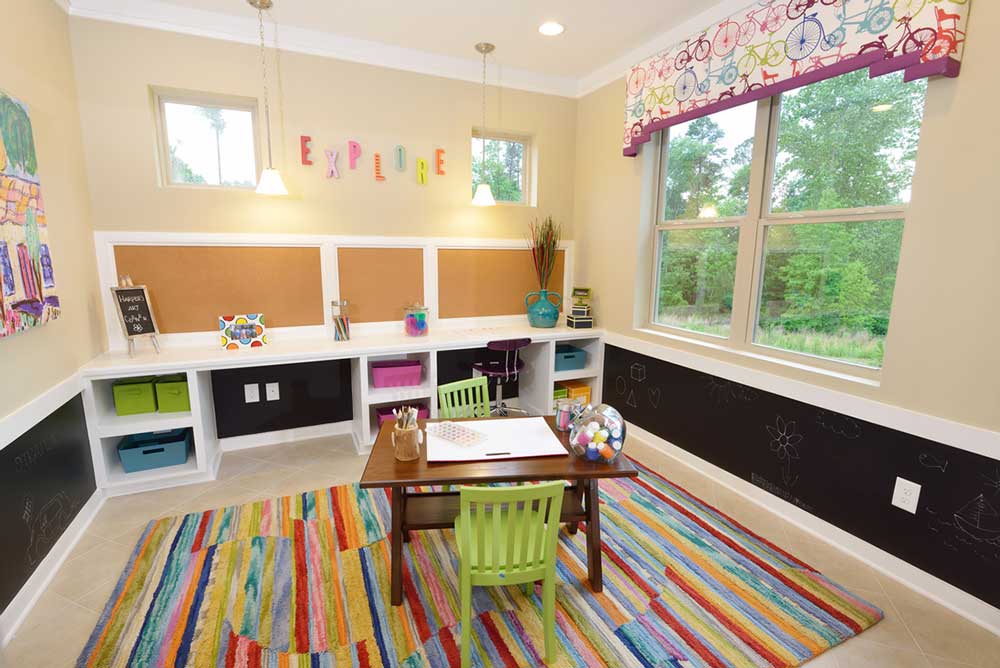
Creating a productive learning space at home doesn’t have to cost a fortune. Whether you’re homeschooling, supporting remote learning, or helping your child focus on homework, a well-organized and comfortable area can dramatically improve learning outcomes. The good news is that you don’t need a large room or expensive furniture to make a space inspiring and functional. With thoughtful planning, creativity, and a few simple strategies, you can create a learning environment that motivates your child while staying budget-friendly. In this guide, we’ll walk you through the steps to design an effective learning space at home without breaking the bank.
Choose the Right Location
The first step in creating a learning space is selecting the right spot. Look for a quiet area with minimal distractions. This could be a corner of the living room, a small section of your child’s bedroom, or even a hallway nook. The goal is to find a space where your child can focus and feel comfortable. Natural light is a big plus, so try to choose a location near a window if possible. If space is limited, don’t worry—learning areas don’t need to be large, just organized and intentional.
Use Budget-Friendly Furniture
You don’t need fancy desks or ergonomic chairs to set up a learning space. Many affordable options can work perfectly:
-
Tables and Desks: Use a simple table, folding desk, or even a sturdy coffee table. Repurpose an old desk or thrifted furniture to save money.
-
Chairs: Comfort matters, but a basic chair with a cushion can be enough. Look for second-hand options or inexpensive desk chairs online.
-
Storage: Use bins, baskets, or plastic drawers to organize supplies. Stackable containers work well for limited spaces.
Repurposing household items and DIY solutions can reduce costs while giving the space a personal touch.
Organize Supplies Efficiently
Organization is key for a functional learning area. Make sure essential supplies like pencils, pens, notebooks, and art materials are within easy reach. Use inexpensive containers, jars, or cups to separate items. Label bins or drawers to help your child quickly find what they need and keep the space tidy. A clutter-free environment reduces distractions and encourages independent learning.
Add Personal Touches
A learning space should feel welcoming and inspiring. Personal touches make the area more enjoyable and motivating. Add a small bulletin board or wall calendar for schedules, a favorite poster or inspirational quote, and some artwork created by your child. Even inexpensive decorations can make the space feel special and encourage your child to spend time there. Remember, the focus should remain on learning, so keep decorations simple and uncluttered.
Use DIY and Upcycled Items
Being creative with DIY and upcycled items can save a lot of money. Some ideas include:
-
DIY Desk Organizers: Use empty cans, boxes, or jars to hold stationery. Decorate them with paint, wrapping paper, or washi tape.
-
Upcycled Shelving: Repurpose old bookshelves, crates, or wooden pallets for storage.
-
Pinboards and Whiteboards: A piece of cardboard or foam board can serve as an affordable pinboard, and inexpensive whiteboards can be found at discount stores.
DIY solutions are cost-effective and allow your child to participate in creating their own space, adding a sense of ownership.
Ensure Proper Lighting
Good lighting is essential for focus and eye health. Natural light is ideal, but if that’s limited, use an affordable desk lamp or floor lamp. LED lights are energy-efficient and provide bright, clear illumination. Avoid harsh overhead lights that can cause glare or strain. Proper lighting helps your child concentrate and prevents fatigue during study sessions.
Keep Technology Minimal and Accessible
Depending on your child’s needs, technology may be part of the learning space, but it doesn’t have to be expensive. A basic laptop or tablet with internet access is often sufficient for online learning or research. Organize cords and chargers neatly to prevent tangling. If multiple children use the same space, consider a shared schedule for tech use. Keeping technology simple helps maintain focus and reduces unnecessary distractions.
Incorporate Comfort and Break Areas
Even on a budget, adding a small comfortable corner can enhance the learning experience. A floor cushion, bean bag, or small rug gives your child a place to read, reflect, or relax during breaks. Breaks are important for maintaining attention and reducing stress. You don’t need expensive furniture—just a cozy spot where your child can rest briefly before returning to lessons.
Maintain Flexibility
A good learning space is adaptable. Children’s needs change as they grow, and activities vary by subject. Use modular furniture, movable storage, and versatile desk arrangements to allow for flexibility. Rotating supplies or rearranging the area occasionally keeps the space interesting and functional without additional costs.
Sample Budget-Friendly Learning Space Checklist
-
Table or desk (repurposed or budget-friendly)
-
Comfortable chair or cushion
-
Storage bins, baskets, or drawers
-
Desk organizer (DIY or inexpensive)
-
Proper lighting (natural light + desk lamp)
-
Pinboard or whiteboard for schedules
-
Personal touches (artwork, quotes, posters)
-
Comfortable corner for reading or breaks
-
Minimal technology setup (laptop/tablet as needed)
This simple checklist ensures that your learning space is both practical and inviting without overspending.
FAQs
1. How much should I spend on a homeschool learning space?
You can set up an effective space for as little as $50-$100 using repurposed items and DIY solutions. Focus on essentials first, then add extras gradually.
2. Can a small space work for homeschooling?
Yes. Even a corner of a room or a small desk area can serve as a functional learning space if it is organized and free from distractions.
3. How do I keep the space organized on a budget?
Use inexpensive storage bins, jars, and boxes. Label everything and encourage your child to put supplies back in their designated spots.
4. Should I include technology in the learning space?
Include only what’s necessary for learning. A laptop, tablet, or basic internet access is usually sufficient. Minimize distractions by keeping tech use intentional and scheduled.
5. How can my child personalize the space without spending a lot?
DIY decorations, artwork, motivational quotes, or even seasonal crafts make the space personal and inspiring without costing much.
Conclusion
Creating a learning space at home doesn’t have to be expensive or complicated. By choosing the right location, using budget-friendly furniture, organizing supplies efficiently, and incorporating personal touches, you can design an area that supports learning and keeps your child motivated. Flexibility, comfort, and creativity are key—DIY and repurposed items make it possible to create a functional, inspiring environment on a limited budget. A well-planned learning space helps children focus, develop independence, and enjoy the process of learning at home, all without putting a strain on your wallet.

