
Keeping kids entertained indoors while ensuring they learn can be a challenge, especially during bad weather or busy schedules. However, indoor activities don’t have to be boring. With creativity, planning, and simple resources, you can turn your home into a fun, educational playground. These 25 indoor activities are designed to stimulate creativity, critical thinking, physical movement, and social skills, making learning enjoyable for children of all ages.
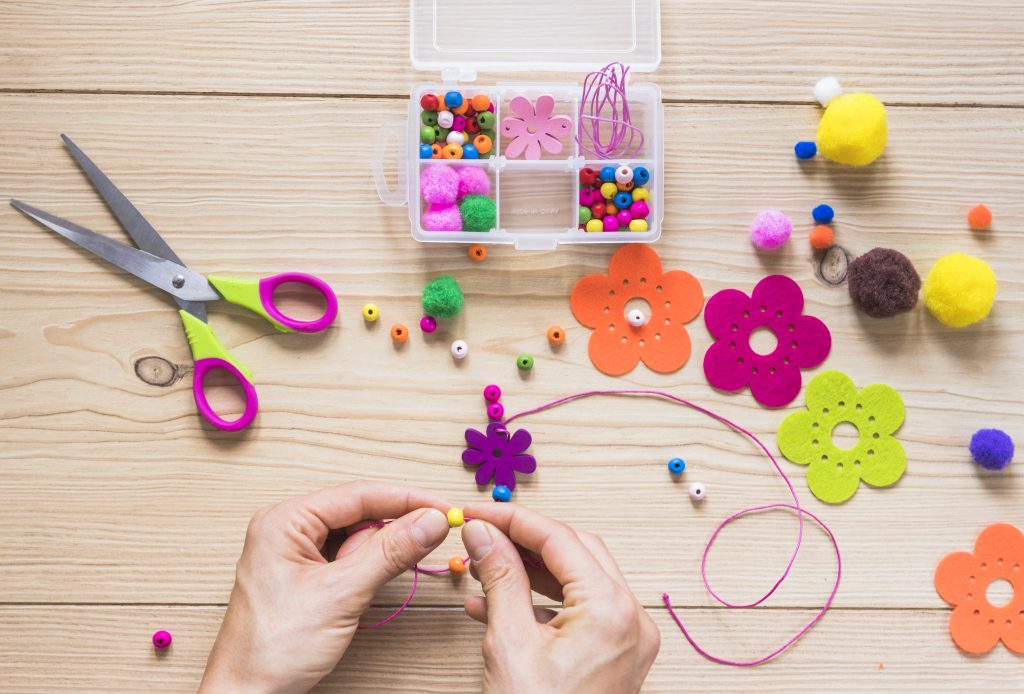
1. DIY Arts and Crafts
Encourage creativity with paper, glue, scissors, and colors. Kids can make greeting cards, paper animals, or simple decorations. Arts and crafts enhance fine motor skills and imagination.
2. Indoor Treasure Hunt
Create a scavenger hunt with clues around the house. This activity develops problem-solving skills, attention to detail, and teamwork if siblings play together.
3. Reading Time with Storytelling
Pick age-appropriate books and read together. Encourage kids to narrate their favorite part or act out characters. Reading boosts vocabulary, comprehension, and listening skills.
4. DIY Science Experiments
Simple experiments like baking soda volcanoes or homemade slime teach scientific concepts in a hands-on way. They promote curiosity and critical thinking.
5. Puzzle Games
Jigsaw puzzles, Sudoku, or brain teasers improve concentration, patience, and problem-solving skills. Tailor the difficulty based on the child’s age.
6. Educational Board Games
Games like Scrabble, Monopoly, or Math Bingo make learning fun. They enhance memory, strategy, and numeracy skills while fostering social interaction.
7. Cooking or Baking Together
Let kids help measure, mix, and decorate simple recipes. Cooking teaches math (fractions, measurements), science, and following instructions.
8. Indoor Obstacle Course
Set up a mini obstacle course using pillows, chairs, or tunnels. It encourages physical activity, balance, and coordination, even inside the house.
9. Building with Blocks or LEGO
Building structures enhances creativity, spatial reasoning, and fine motor skills. Challenge kids to replicate patterns or invent their own designs.
10. Music and Dance Sessions
Play music and let children dance or play simple instruments. Music improves memory, rhythm, and emotional expression, while dancing keeps kids active.
11. Story Writing or Comic Creation
Encourage kids to write short stories or make comics. This activity develops imagination, literacy, and narrative skills.
12. Indoor Gardening
Use small pots to grow herbs or flowers. Gardening teaches patience, responsibility, and basic biology concepts.
13. DIY Puppet Show
Kids can make puppets from socks or paper bags and create stories. This enhances creativity, storytelling, and social skills.
14. Memory Games
Play memory-matching card games or “I Spy” challenges. These activities strengthen attention, observation, and recall abilities.
15. Science Videos and Discussions
Watch educational videos about nature, space, or history, then discuss the concepts. This fosters curiosity and comprehension skills.
16. Indoor Bowling
Set up pins using plastic bottles and a soft ball. Kids develop hand-eye coordination, motor skills, and enjoy friendly competition.
17. Yoga and Mindfulness Exercises
Introduce simple yoga poses and breathing exercises. This supports flexibility, balance, focus, and emotional well-being.
18. DIY Sensory Bins
Fill bins with rice, beans, or sand and hide small objects. Sensory play stimulates touch, exploration, and concentration, especially for younger children.
19. Language Games
Play rhyming games, word searches, or storytelling challenges. These activities boost vocabulary, grammar, and communication skills.
20. Indoor Science Art
Combine creativity with science, such as color-mixing experiments or floating objects in water. Children learn while expressing themselves artistically.
21. Educational Apps and Online Games
Select age-appropriate apps for math, reading, or coding. Digital learning can supplement traditional activities and make learning interactive.
22. DIY Cardboard Projects
Transform cardboard boxes into houses, cars, or rockets. This promotes problem-solving, spatial awareness, and imaginative play.
23. Role-Playing Games
Kids act out roles like shopkeeper, teacher, or doctor. Role-playing enhances empathy, social skills, and creative thinking.
24. Indoor Treasure Box
Create a “treasure box” with small rewards. Kids can earn points for completing tasks or learning challenges, teaching motivation and goal-setting.
25. Science Journals
Encourage kids to record observations, draw diagrams, or write predictions for experiments. Journaling promotes critical thinking, writing, and reflection skills.
FAQs
1. What age group are these indoor activities suitable for?
These activities can be adapted for toddlers, preschoolers, and school-age children by adjusting complexity and supervision.
2. How often should children do indoor educational activities?
Daily sessions of 30–60 minutes are ideal, mixed with free play to maintain interest and energy levels.
3. Do indoor activities really help with learning?
Yes. Well-planned indoor activities stimulate critical thinking, creativity, motor skills, and emotional development.
4. Can these activities be done in small spaces?
Absolutely. Most activities require minimal space and use common household items.
5. How can parents make these activities more engaging?
Involve children in planning, offer choices, and celebrate their creativity and achievements. Participation and praise increase motivation.
Conclusion
Indoor activities don’t have to be dull. By combining learning and play, you can help children develop crucial skills, creativity, and confidence—all while having fun at home. From arts and crafts to science experiments, storytelling, and physical play, these 25 activities provide a variety of options to keep kids entertained and intellectually stimulated. With a little planning and creativity, your home can become a vibrant learning environment where children grow, explore, and enjoy every moment of learning.

