
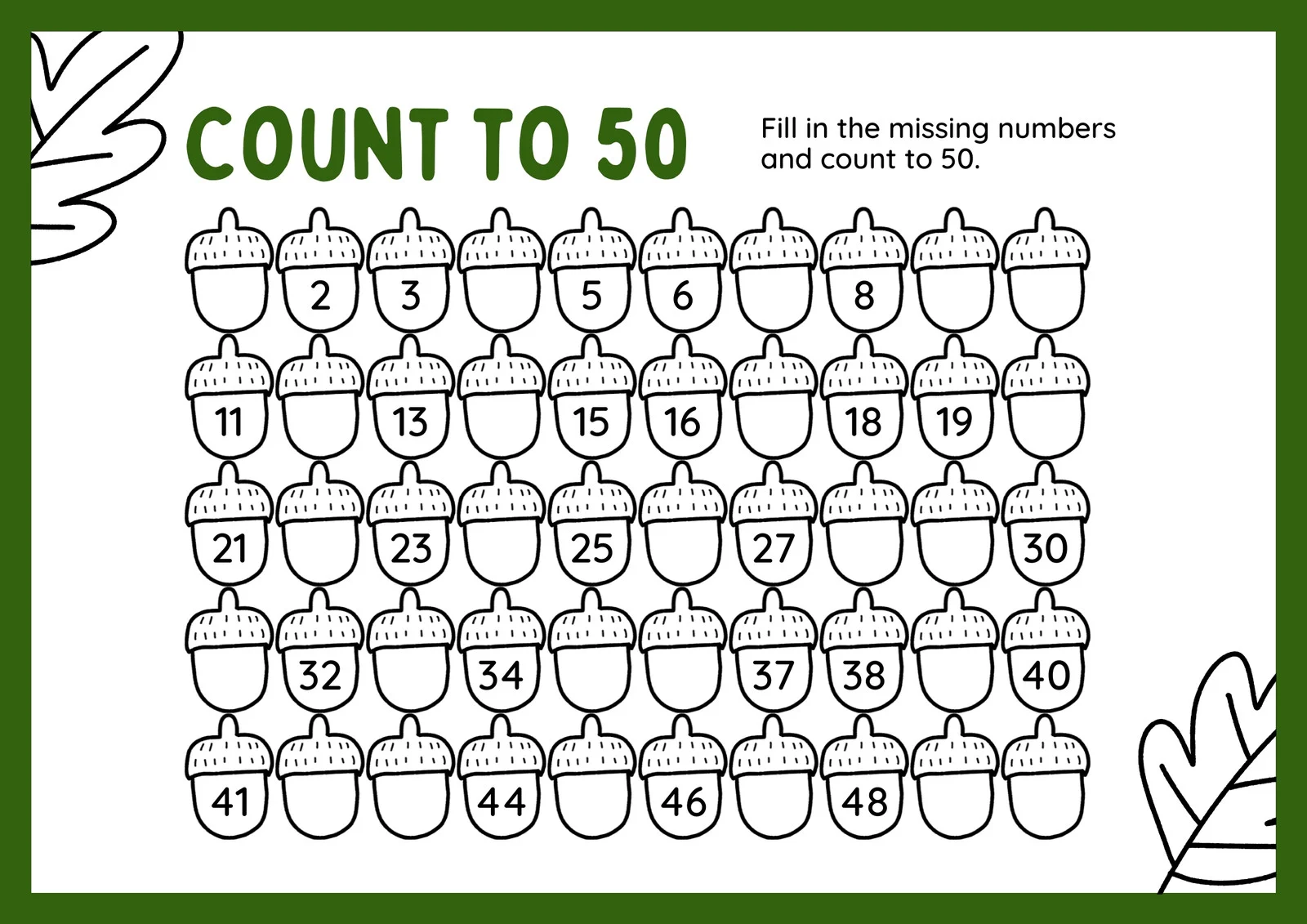
Math is a critical skill for students, and regular practice can help children build confidence, improve problem-solving abilities, and excel in school. Printable math worksheets are a convenient and effective tool for reinforcing lessons, tracking progress, and making learning fun. In this guide, we’ll explore the benefits of worksheets, types suitable for grades 1–5, tips for using them effectively, and additional resources for parents and teachers.
Why Printable Math Worksheets Are Effective
Printable worksheets offer several advantages for students and educators:
-
Structured Practice: Worksheets provide organized exercises for practicing concepts learned in class.
-
Self-Paced Learning: Students can work through problems at their own speed.
-
Progress Tracking: Teachers and parents can monitor improvement and identify areas needing more attention.
-
Variety of Topics: Worksheets cover numbers, operations, geometry, fractions, word problems, and more.
-
Engaging Learning: Fun designs, puzzles, and challenges make math less intimidating for young learners.
Using printable worksheets regularly complements classroom learning and supports home study, ensuring children develop strong foundational math skills.
Types of Math Worksheets for Grades 1–5
1. Addition and Subtraction Worksheets
-
Grade 1–2 worksheets focus on single-digit and double-digit addition and subtraction.
-
Grade 3–5 worksheets include multi-digit operations, regrouping, and word problems.
-
Practice worksheets help students master basic arithmetic, which is the foundation for more advanced math.
2. Multiplication and Division Worksheets
-
Early worksheets introduce multiplication tables and basic division facts.
-
Later grades focus on multi-digit multiplication, long division, and word problems.
-
Repetition and practice reinforce memorization and improve speed and accuracy.
3. Fractions and Decimals Worksheets
-
Grade 3–5 students practice identifying, comparing, and simplifying fractions.
-
Worksheets also cover addition, subtraction, and conversion between fractions and decimals.
-
Visual aids, like pie charts or number lines, make these concepts easier to understand.
4. Geometry Worksheets
-
Worksheets introduce shapes, angles, symmetry, and measurements.
-
Grade 1–2 focus on identifying 2D and 3D shapes.
-
Grade 4–5 include perimeter, area, volume, and coordinate geometry.
-
Hands-on activities and drawing exercises make geometry engaging.
5. Measurement and Data Worksheets
-
These worksheets teach time, weight, length, and volume concepts.
-
Students practice reading clocks, measuring objects, and interpreting graphs and charts.
-
Practical exercises help children apply math in real-life situations.
6. Word Problem Worksheets
-
Word problems develop critical thinking and problem-solving skills.
-
Grade 1–2 focus on simple addition and subtraction scenarios.
-
Grade 3–5 include multi-step problems requiring combinations of operations.
-
Reading comprehension is integrated, helping students understand and solve problems logically.
7. Mixed Math Worksheets
-
Mixed worksheets combine multiple topics to provide comprehensive practice.
-
They challenge students to identify which operations or formulas to use.
-
Mixed practice prepares students for exams and reinforces overall math competence.
Tips for Using Printable Worksheets Effectively
-
Set a Daily or Weekly Routine: Consistency helps reinforce learning. Short, focused sessions of 15–30 minutes are often most effective.
-
Combine with Hands-On Activities: Use manipulatives like counters, blocks, or drawings to make abstract concepts tangible.
-
Encourage Self-Checking: Teach children to check their own work to develop independence and attention to detail.
-
Incorporate Rewards and Challenges: Use stickers, points, or friendly competitions to motivate learners.
-
Adapt Worksheets to Skill Level: Choose worksheets that are slightly challenging but achievable to avoid frustration.
-
Mix Digital and Printable Resources: Online interactive worksheets can complement printable ones for more dynamic learning experiences.
Where to Find Quality Printable Math Worksheets
-
Educational websites offer free and paid worksheets for all grades.
-
Teachers Pay Teachers, Education.com, and Math-Aids.com are popular sources.
-
Many worksheets are customizable, allowing you to adjust difficulty or focus on specific topics.
-
Local libraries or school resources often provide printable workbooks aligned with curriculum standards.
Benefits of Using Worksheets at Home and School
-
Reinforcement: Worksheets allow repeated practice of key concepts outside the classroom.
-
Confidence Building: Gradually increasing difficulty helps students feel accomplished and confident.
-
Parental Engagement: Parents can actively participate in their child’s learning, offering guidance and support.
-
Exam Preparation: Regular practice reduces test anxiety and improves performance.
-
Differentiated Learning: Worksheets can be tailored to individual needs, supporting both struggling learners and advanced students.
FAQs
1. How many worksheets should a child complete daily?
For grades 1–2, 1–2 worksheets per day are sufficient. For grades 3–5, 2–3 worksheets or 20–30 minutes of focused practice works well.
2. Are printable worksheets better than digital apps?
Both have benefits. Printable worksheets offer hands-on practice and focus, while digital apps provide interactive exercises and immediate feedback.
3. How do I make math worksheets more engaging?
Include colorful visuals, themes, puzzles, or challenges. Let children use manipulatives, timers, or games alongside worksheets.
4. Can worksheets help struggling students?
Yes. Worksheets allow repeated practice, targeted exercises, and progress tracking, which help students improve at their own pace.
5. Are these worksheets aligned with school curriculum?
Most reputable sources provide worksheets aligned with grade-level standards. You can always cross-check with your child’s syllabus.
Conclusion
Printable math worksheets are a versatile, effective, and engaging tool for students in grades 1–5. They reinforce classroom learning, develop problem-solving skills, and build confidence in math. By choosing worksheets that cover addition, subtraction, multiplication, division, fractions, geometry, measurement, and word problems, and by using them consistently, children can strengthen their math foundation and perform better in exams. Parents and teachers can make learning interactive and enjoyable by combining worksheets with hands-on activities, challenges, and positive reinforcement. With structured practice and creative approaches, printable math worksheets can turn math into a subject students enjoy and excel at.

