
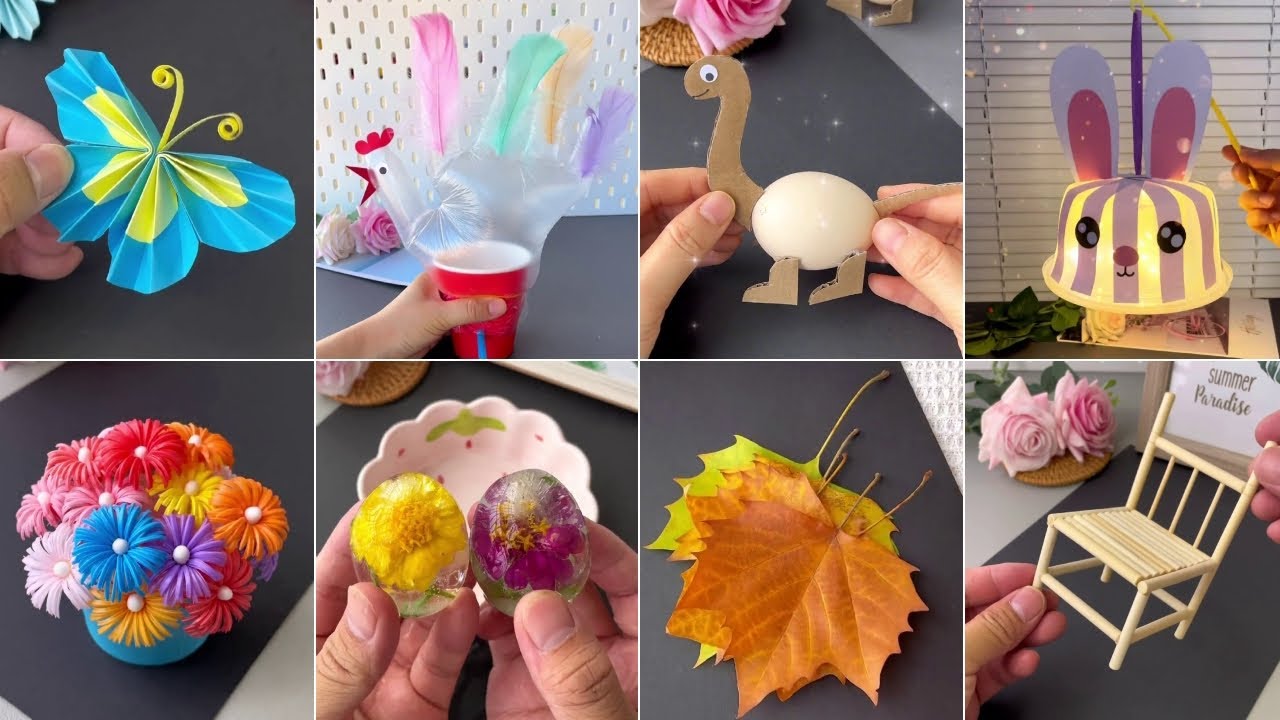
Keeping kids engaged while nurturing their creativity is one of the most rewarding aspects of parenting or teaching. Art and craft activities not only entertain children but also help develop fine motor skills, imagination, problem-solving, and patience. With just a few supplies and a little creativity, you can turn your home into a vibrant craft studio. This guide provides a range of fun, safe, and educational craft ideas suitable for kids of all ages.
1. Paper Crafts
Paper is a versatile material for countless projects:
-
Origami: Teach kids to fold paper into animals, flowers, and shapes.
-
Paper Mosaics: Cut colored paper into small pieces and create pictures or patterns.
-
Paper Collages: Use old magazines, newspapers, and scraps to make unique designs.
These activities improve hand-eye coordination, concentration, and creativity.
2. DIY Jewelry and Accessories
Kids love making wearable art:
-
Beaded Bracelets: Use colorful beads and elastic strings.
-
Paper or Pasta Necklaces: Combine lightweight materials for fun jewelry.
-
Friendship Bands: Simple weaving or braiding techniques strengthen fine motor skills.
Creating accessories encourages imagination and pride in their work.
3. Painting and Drawing Projects
Classic art activities never go out of style:
-
Finger Painting: Perfect for younger kids to explore colors and textures.
-
Watercolor Techniques: Teach blending, gradients, and layering for creative effects.
-
Sketching Challenges: Assign themes like “my dream house” or “favorite animal” to boost storytelling skills.
Painting enhances color recognition, observation, and self-expression.
4. Recycled Art Projects
Teach children the value of sustainability through crafts:
-
Bottle Cap Art: Create animals, mosaics, or decorations from old caps.
-
Cardboard Creations: Make cars, houses, or toys from boxes.
-
Tin Can Planters: Decorate cans and use them for mini indoor gardens.
Recycling crafts develop resourcefulness and environmental awareness.
5. Sensory Crafts
Sensory activities are both fun and educational:
-
Play Dough Sculpting: Encourage making shapes, animals, or food items.
-
Textured Collages: Use fabric, sandpaper, cotton balls, or leaves for tactile experiences.
-
Slime Making: Safe slime recipes allow kids to explore textures and simple chemistry.
Sensory crafts enhance touch, focus, and creativity.
6. Seasonal and Holiday Crafts
Celebrate occasions with themed projects:
-
Christmas Ornaments: Use paper, felt, or clay to create festive decorations.
-
Halloween Masks: Design spooky or fun masks with cardboard and paints.
-
Easter Crafts: Make egg decorations, bunny puppets, or spring flowers.
These crafts teach kids about traditions while keeping them engaged creatively.
7. Nature-Inspired Crafts
Bring the outdoors inside:
-
Leaf Printing: Collect leaves and use paints to make prints on paper.
-
Rock Painting: Turn rocks into animals, monsters, or decorative pieces.
-
Nature Collages: Combine sticks, leaves, and flowers for artwork.
Nature crafts promote observation skills and appreciation for the environment.
8. DIY Toys and Games
Let kids create their own fun:
-
Paper Airplanes and Boats: Explore basic physics while crafting.
-
Puzzle Creation: Draw a picture, cut it into pieces, and assemble it as a puzzle.
-
Cardboard Dollhouses or Playsets: Encourage imaginative play with homemade structures.
Making toys enhances creativity, problem-solving, and engineering thinking.
9. Crafting with Household Items
Many crafts can be made with things found at home:
-
Button Art: Glue buttons to create patterns or animals.
-
Cereal Box Crafts: Turn boxes into mini cars, robots, or storage organizers.
-
Plastic Bottle Creations: Make bird feeders, piggy banks, or decorative vases.
Repurposing everyday items teaches innovation and sustainability.
10. Collaborative and Group Crafts
Crafts can also teach teamwork:
-
Family Murals: Each member contributes to a large painting or collage.
-
Classroom or Sibling Projects: Work together to make themed decorations.
-
Story-Based Crafts: Combine storytelling and art where each child illustrates a part of the story.
Collaborative crafts improve communication, teamwork, and social skills.
FAQs
1. What age group can do these crafts?
Most activities can be adapted for all ages. Younger kids need supervision and simpler tasks, while older children can handle more complex projects.
2. Are these crafts safe for kids?
Yes, as long as child-safe materials are used. Avoid small items for toddlers and ensure paints or glues are non-toxic.
3. How can parents make crafting more engaging?
Encourage creativity without focusing on perfection, offer choices, and participate in crafts alongside kids.
4. Can these crafts help with learning?
Absolutely. Crafts improve fine motor skills, problem-solving, creativity, concentration, and even STEM-related thinking.
5. Do crafts require expensive materials?
Not necessarily. Many crafts use household items, recycled materials, and basic art supplies, making them affordable and accessible.
Conclusion
Art and craft activities at home are more than just fun—they’re essential tools for learning, creativity, and personal growth. From paper crafts and painting to recycled projects, sensory activities, and DIY toys, children can explore endless possibilities while developing critical skills. By providing the right materials, encouraging imagination, and celebrating their creations, parents and teachers can make crafting a rewarding and educational experience. Creative play fosters confidence, innovation, and a love for learning that lasts a lifetime.

