
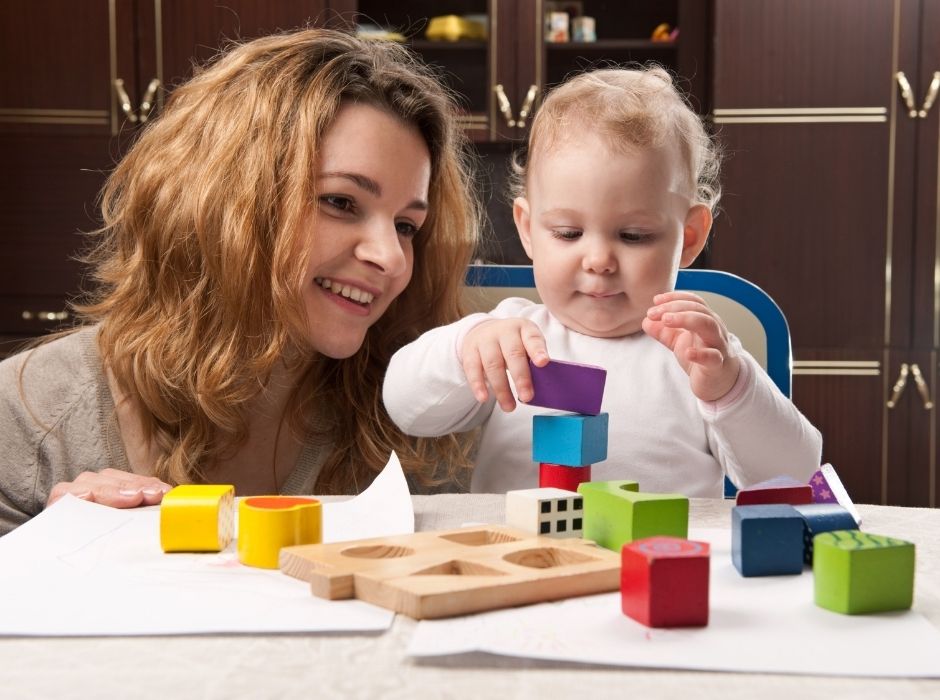
Teaching young children their numbers and ABCs is a foundational step in early learning. When done with fun, engaging activities, it helps kids develop cognitive skills, memory, and a love for learning from an early age. By combining play, creativity, and hands-on experiences, parents and educators can make learning letters and numbers an enjoyable journey. This guide provides practical, easy-to-implement activities for teaching both numbers and the alphabet effectively.
Why Early Learning of Numbers and ABCs Matters
Learning numbers and letters is not just about memorization—it builds essential skills:
-
Cognitive Development: Recognizing letters and numbers strengthens memory, pattern recognition, and problem-solving skills.
-
Language Skills: Understanding the alphabet helps with reading, writing, and pronunciation.
-
Mathematical Foundation: Number recognition lays the groundwork for counting, addition, subtraction, and logical thinking.
-
Confidence: Early mastery of these basics boosts confidence and encourages curiosity in learning new concepts.
Simple Activities to Teach ABCs
1. Alphabet Songs and Rhymes
Singing ABC songs or rhymes makes letter learning enjoyable. Musical patterns and repetition help children remember the sequence of letters.
Tips:
-
Use hand gestures or actions to associate with each letter.
-
Encourage kids to sing along and point to letters on flashcards or charts.
2. Alphabet Flashcards
Flashcards with colorful letters attract attention and reinforce recognition.
Activity Ideas:
-
Match letters to objects (A for apple, B for ball).
-
Mix cards and ask children to put them in order.
-
Play memory games using letter flashcards.
3. Letter Tracing and Writing
Tracing letters strengthens fine motor skills and prepares children for writing.
Tips:
-
Use worksheets or sand trays for tactile learning.
-
Encourage writing with crayons, markers, or chalk for added fun.
4. Alphabet Crafts
Combine art with learning by creating letters using paper, playdough, or stickers.
Ideas:
-
Make letter shapes with pipe cleaners.
-
Decorate letters with colored dots or magazine cutouts.
-
Form letters using nature items like leaves or sticks.
5. Storytime with Letter Focus
Read alphabet-themed books and highlight letters as you go.
Tips:
-
Ask kids to spot letters in the story.
-
Encourage them to identify letters in words on each page.
Simple Activities to Teach Numbers
1. Counting Everyday Objects
Use items around the house to teach counting.
Examples:
-
Count toys, fruits, or blocks.
-
Arrange objects in groups to visualize numbers.
-
Encourage children to say numbers out loud while counting.
2. Number Songs and Rhymes
Songs like “Five Little Ducks” or “Ten in the Bed” make numbers memorable and fun.
Tips:
-
Use fingers to represent numbers.
-
Encourage kids to act out the songs while counting.
3. Number Flashcards
Number flashcards help in recognition and sequencing.
Activity Ideas:
-
Match numbers to corresponding objects.
-
Arrange cards in order and ask children to fill in missing numbers.
-
Play memory games or number bingo.
4. Hands-On Number Activities
Make counting interactive with manipulatives.
Ideas:
-
Use beads, buttons, or blocks to represent numbers.
-
Draw numbers with chalk outside and ask kids to jump to the right number.
-
Make number lines and have children place objects on each number.
5. Number Crafts
Integrate creativity with learning numbers.
Examples:
-
Create a number collage using stickers or magazine cutouts.
-
Make a number mobile and hang it in their learning space.
-
Use playdough to form different numbers.
Tips for Teaching Numbers and ABCs Effectively
-
Keep Lessons Short: Young children have limited attention spans. 10–15 minutes per session is ideal.
-
Use Multisensory Learning: Combine visual, auditory, and tactile methods for better retention.
-
Be Patient and Encouraging: Celebrate small achievements to motivate children.
-
Integrate Learning into Daily Life: Identify letters and numbers in signs, books, and objects around the house.
-
Repeat and Review Regularly: Consistency is key for mastery. Short daily practice works better than occasional long sessions.
FAQs
1. At what age should children start learning ABCs and numbers?
Most children can start recognizing letters and numbers around ages 2–3, with more structured learning from age 3–5.
2. How can I make learning fun if my child loses interest?
Switch activities frequently, use songs, crafts, games, and rewards to maintain engagement.
3. Can these activities be done at home without special materials?
Yes. Most activities use household items like toys, paper, crayons, blocks, and fruits.
4. How do I know if my child is progressing?
Look for recognition, ability to trace or write letters/numbers, and counting objects correctly. Celebrate achievements but avoid pressure.
5. Should I focus on letters or numbers first?
Both can be taught simultaneously in short, playful sessions. Tailor to your child’s interest and readiness.
Conclusion
Teaching kids numbers and ABCs doesn’t have to be complicated. By combining songs, flashcards, crafts, and hands-on activities, you can create a fun, interactive learning environment at home. Multisensory learning, consistency, and positive reinforcement help children develop foundational skills for reading, writing, and math. These early experiences lay the groundwork for lifelong learning, making education enjoyable and engaging from the very beginning. With creativity and patience, learning letters and numbers can become a cherished part of your child’s daily routine.

