
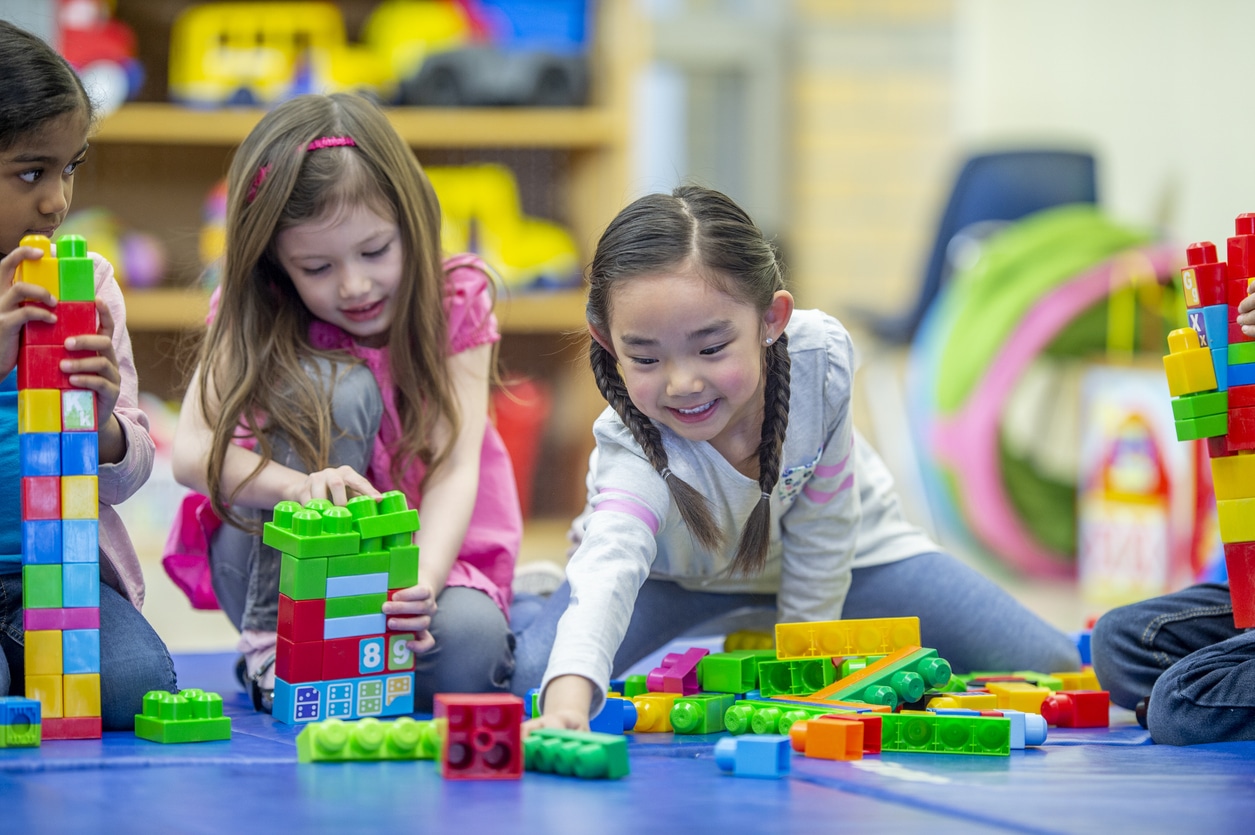
Games are not just for fun—they can be powerful tools for learning and skill development. Educational games engage children in interactive play while teaching important cognitive, social, and motor skills. From problem-solving and math to reading comprehension and creativity, the right games help kids learn without feeling like a traditional classroom lesson. In this guide, we’ll explore some of the best educational games that children of various ages can enjoy at home or in the classroom.
1. Math Games
Math games make numbers exciting and help build numeracy skills:
-
Sum Swamp: A board game that focuses on addition and subtraction while encouraging strategic thinking.
-
Math Bingo: Combines bingo fun with math problems for practice in addition, subtraction, multiplication, or division.
-
Online Math Puzzles: Apps like Prodigy or Khan Academy Kids offer interactive math challenges that adapt to the child’s level.
Skills Developed: Addition, subtraction, multiplication, division, logical reasoning, and speed calculation.
2. Word and Language Games
Language games boost vocabulary, spelling, and communication skills:
-
Scrabble or Words With Friends: Fun ways to expand vocabulary and improve spelling.
-
Boggle: Encourages quick thinking and word formation.
-
Story Cubes: Dice with pictures that inspire children to create stories, enhancing creativity and narrative skills.
Skills Developed: Vocabulary, spelling, grammar, creativity, and storytelling.
3. Science and Logic Games
Science games introduce critical thinking and basic scientific concepts:
-
Rush Hour: A logic-based board game that teaches problem-solving and spatial reasoning.
-
Gravity Maze: Combines STEM learning with fun challenges using marble runs.
-
DIY Science Kits: Kits like “Build a Volcano” or “Crystal Growing” provide hands-on experiments.
Skills Developed: Problem-solving, reasoning, spatial awareness, and scientific inquiry.
4. Puzzle and Brain Games
Puzzles challenge the mind and improve focus:
-
Jigsaw Puzzles: Help develop visual-spatial reasoning and patience.
-
Sudoku for Kids: Introduces number patterns and logical thinking.
-
Tangrams: Shape-based puzzles that improve geometry understanding and creativity.
Skills Developed: Focus, pattern recognition, spatial intelligence, and analytical thinking.
5. Creative and Artistic Games
Games that encourage art and imagination foster creativity:
-
Pictionary or Telestrations: Drawing games that enhance visual expression and communication skills.
-
LEGO or Building Blocks: Open-ended building challenges teach engineering basics and creativity.
-
Crafting Challenges: Turn everyday items into art projects with guided prompts or competitions.
Skills Developed: Creativity, fine motor skills, problem-solving, and teamwork.
6. Social and Cooperative Games
Social games teach collaboration and emotional intelligence:
-
Charades: Encourages non-verbal communication and imaginative thinking.
-
Cooperative Board Games: Games like “Forbidden Island” require players to work together to reach a goal.
-
Role-Playing Games: Kids act out roles in storytelling or pretend scenarios, learning empathy and teamwork.
Skills Developed: Communication, empathy, collaboration, negotiation, and leadership.
7. Memory and Attention Games
Memory games sharpen focus and concentration:
-
Memory Card Games: Flip and match cards to improve recall.
-
Simon Says or Pattern Sequences: Follow sequences to enhance attention and memory.
-
Brain Teasers: Short puzzles that challenge thinking skills and persistence.
Skills Developed: Short-term memory, concentration, sequencing, and cognitive flexibility.
8. Digital Educational Games
Digital platforms offer interactive and adaptive learning:
-
Khan Academy Kids: Covers math, reading, and social-emotional learning.
-
Osmo: Combines physical play pieces with tablet games for hands-on learning.
-
ABCmouse: Comprehensive early learning platform covering multiple subjects.
Skills Developed: Math, reading, problem-solving, creativity, and technology literacy.
Tips for Using Educational Games Effectively
-
Balance Play and Learning: Ensure games are fun first, but gently emphasize skill-building.
-
Age Appropriateness: Choose games suitable for your child’s age and developmental level.
-
Set Time Limits: Avoid excessive screen time or prolonged focus on one activity.
-
Encourage Discussion: Talk about what they learned or discovered during the game.
-
Mix Physical and Mental Games: Combine hands-on activities with mental challenges for well-rounded development.
FAQs
1. At what age should children start playing educational games?
Educational games can start as early as preschool with simple matching or counting games. Complexity can increase with age.
2. Are board games better than digital games?
Both have benefits. Board games promote social skills and hands-on learning, while digital games offer interactive and adaptive challenges.
3. How often should kids play educational games?
Daily sessions of 20–40 minutes are ideal, depending on age. Mix games with other learning and physical activities.
4. Can educational games replace homework or study?
No, they are supplements. Games enhance learning but should complement structured study and classroom lessons.
5. How can parents encourage kids to enjoy educational games?
Participate in the games with them, celebrate achievements, and allow children to choose games they find interesting.
Conclusion
Educational games are a powerful way to combine fun and learning. By choosing games that develop math, language, science, creativity, social, and memory skills, parents and educators can support a child’s cognitive and emotional growth. From board games and puzzles to digital apps and creative challenges, these activities provide interactive, engaging, and effective learning experiences. Integrating educational games into daily routines not only strengthens skills but also fosters a love of learning that lasts a lifetime.

